

Medicare Part B, which provides a variety of healthcare coverage options, includes wound care services that are essential for maintaining health, especially among the older population and those with specific disabilities. However, an important question arises: does this coverage sufficiently address the unique needs of individuals with melanin-rich skin? To gain a deeper understanding of how Medicare Part B coverage functions, determine who qualifies, and discover expert opinions on safe healing for diverse skin types, one can explore resources like The Wound Clinic and other specialized services.
Medicare Part B provides eligible patients with comprehensive coverage for wound care, thereby making essential medical services readily accessible. This coverage encompasses several key aspects, including:
- Detailed wound checks and evaluations, which are crucial for developing personalized care and effective treatment plans.
- Regular dressing changes and essential supplies to maintain a clean, healing-friendly environment.
- Debridement procedures to remove dead tissue, significantly aiding in improved wound healing.
- Access to specialized treatments for the long-term care of chronic wounds, offering continuous support for more complex cases.
- Consistent follow-up care and diligent monitoring to ensure proper healing and prompt action if complications arise.
To be eligible for Medicare Part B, individuals typically must be 65 years or older or have certain disabilities.
Unique Considerations for Melanin-Rich Skin
Treating wounds on melanin-rich skin involves unique challenges that necessitate tailored approaches. Patients with darker skin tones encounter specific obstacles, as these tones can obscure early signs of infection or inflammation that are more readily visible on lighter skin. Traditional visual assessment techniques may be less effective, requiring alternative strategies to ensure accurate diagnostics and treatment.
Common Challenges Include:
- Firstly, the difficulty of detecting erythema (redness) around wound sites on darker skin, which can complicate initial assessments significantly.
- Moreover, the potential for hyperpigmentation or hypopigmentation following the healing process, affecting aesthetic outcomes adversely.
- Furthermore, a higher likelihood of keloid or hypertrophic scar formation, which can impact both function and appearance.
- Additionally, delayed recognition of pressure injuries due to subtler visual cues.
- Lastly, misdiagnosis of wound severity, leading to inappropriate or delayed treatment.
These factors underscore the importance of skin-specific care, as traditional wound care protocols were frequently developed without taking into account the diverse nature of skin types. Consequently, this systemic gap in care can contribute to delayed treatment and suboptimal outcomes for individuals with melanin-rich skin.
What Medicare Part B Covers for All Skin Types

Medicare Part B extends wound care coverage equally to all beneficiaries, regardless of skin tone. The scope of covered services includes:
- Physician visits that provide thorough assessments and individualized treatment plans for wounds
- Surgical debridement when necessary to prevent infection and promote optimal healing conditions.
- Compression therapy, particularly for venous ulcers, to reduce swelling and improve wound closure rates
- Negative pressure wound therapy, which can accelerate healing by stimulating blood flow and reducing swelling
The focus of Medicare Part B coverage is on medical necessity, rather than on any specific skin type, which requires healthcare providers to actively advocate for appropriate care tailored to the needs of each individual patient.
Expert Insights on Safe Wound Care
Leading wound care specialists emphasize the critical importance of culturally competent care in today’s diverse healthcare landscape. Providers at institutions such as The Wound Clinic.
Key Expert Recommendations:
Use Multiple Assessment Methods: It is essential, therefore, to not rely solely on visual inspection. Instead, healthcare providers should use a combination of techniques, such as feeling for warmth, taking measurements of wound dimensions, and closely monitoring any patient-reported symptoms. This approach ensures a comprehensive assessment.
Document Carefully: Furthermore, proper documentation is vital. This should include taking photographs with appropriate lighting conditions. Additionally, the use of standardized tools that account for variations in skin tone is crucial for accurate record-keeping.
Consider Skin History: When planning treatment, inquire about the patient’s previous history of scarring, keloid formation, or changes in pigmentation. Such background information can provide valuable insight into treatment planning and expected outcomes.
Choose Appropriate Products: Moreover, selecting the right dressings and treatments is critical. Especially for those that minimize scarring risks, awareness of potential harm from certain adhesives to melanin-rich skin can guide product choices that safeguard the patient’s skin integrity.
Monitor Healing Closely: Thus, frequent follow-ups should be scheduled to observe healing progression. Early intervention is key to preventing complications that could be harder to visually detect, particularly in patients with darker skin.
Accessing Quality Care Under Medicare
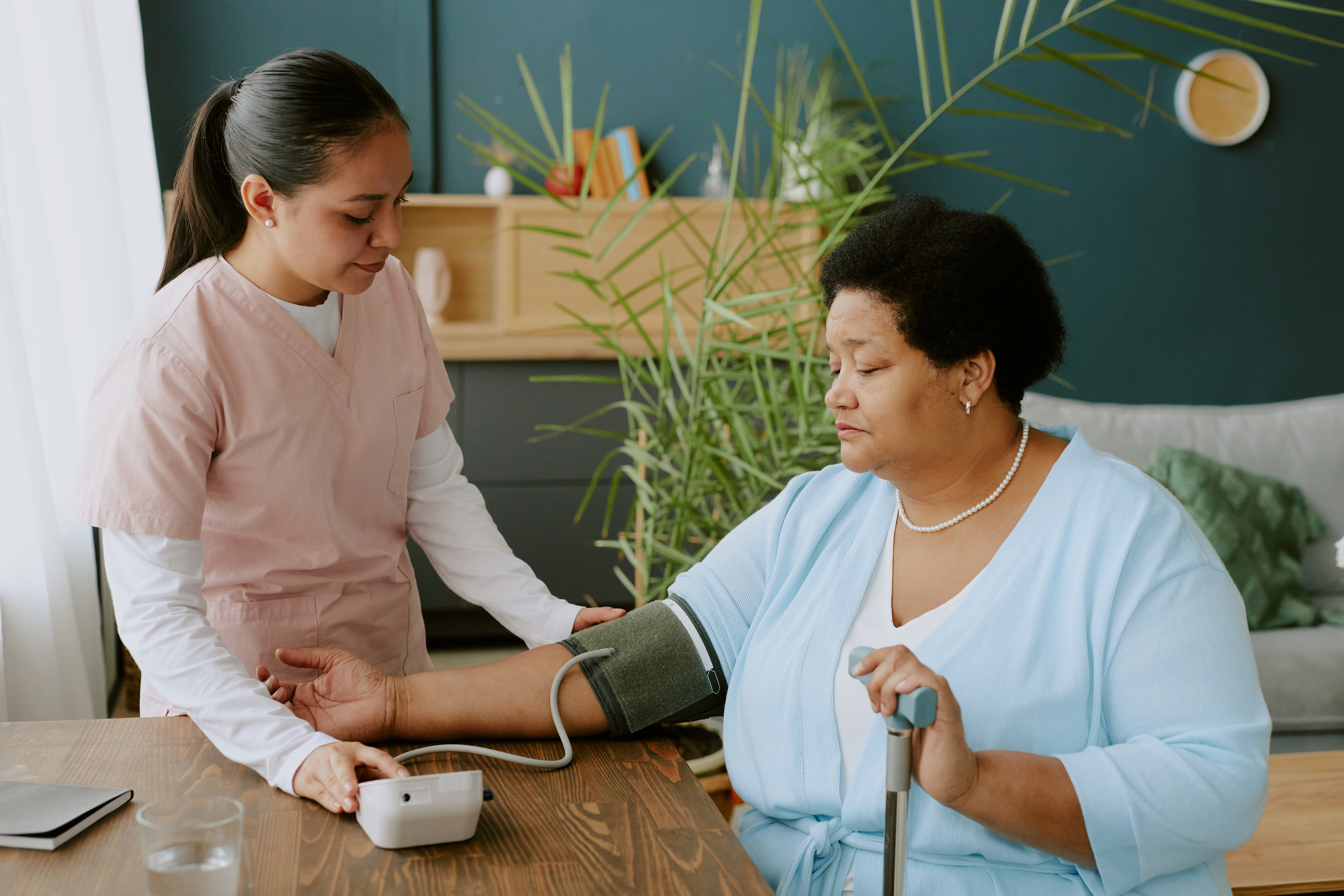
Having healthcare eligibility does not automatically ensure optimal health outcomes. Advocating for oneself or loved ones is essential to securing high-quality care. Here’s how you can advocate effectively:
- Actively ask healthcare providers about their experience and success rate in managing wounds on diverse skin types.
- Request clear explanations of their methodology for assessing wounds on darker skin tones.
- Assess whether standard treatment protocols need customization to better fit individual needs.
- Don’t hesitate to seek second opinions if initial concerns are not satisfactorily addressed by your current healthcare provider.
- Regularly document the wound healing progress with dated photographs to track changes over time.
If your primary care provider lacks expertise in skin-specific care, don’t hesitate to request a referral to a more specialized professional.
The Role of Specialized Wound Clinics
Specialized facilities like The Wound Clinic are crucial in delivering comprehensive wound care services. These centers typically offer:
- Multidisciplinary teams working together to provide holistic care.
- Advanced treatment modalities tailored to the specific needs of patients with different skin types.
- Extensive experience working with diverse patient populations, promoting inclusivity and tailored care.
- Ongoing staff education focused on cultural competence to enhance understanding and improve service delivery.
- Access to cutting-edge wound care technologies that can significantly improve treatment outcomes.
Medicare Part B’s wound care coverage includes services provided at specialized clinics. Ensuring that your selected facility accepts Medicare assignment helps prevent unexpected out-of-pocket costs.
Moving Forward with Confidence
Achieving safe and effective wound care for melanin-rich skin is entirely possible under Medicare Part B. The key is identifying and engaging knowledgeable providers attuned to the unique needs of diverse patients.
While Medicare Part B offers essential financial coverage, it is your responsibility to ensure the clinical care you receive aligns with your specific health needs. Collaborating closely with skilled providers can lead to healing that is safe, complete, and empowering for your overall well-being.