
Healing a Surgical Wound: Supporting Recovery Every Step of the Way
The process of Healing a Surgical Wound begins immediately after a procedure and continues through several stages of tissue repair and recovery. While every patient heals differently, proper wound management plays a critical role in helping the body rebuild damaged tissue, protect the surgical site, and reduce the risk of complications. Understanding how surgical wounds heal can help patients make informed decisions and take an active role in their recovery.
Through comprehensive wound care, ongoing monitoring, and personalized treatment strategies, patients can support healthy healing while improving comfort and confidence throughout the recovery process.

Opening Hours
Mon - Fri: 8.00am - 5.00pm

Emergency Case
We Have Experienced Doctors

Health Helpline
888-391-4999
About Our Healing A Surgical Wound
Understanding the Healing Process of a Surgical Wound
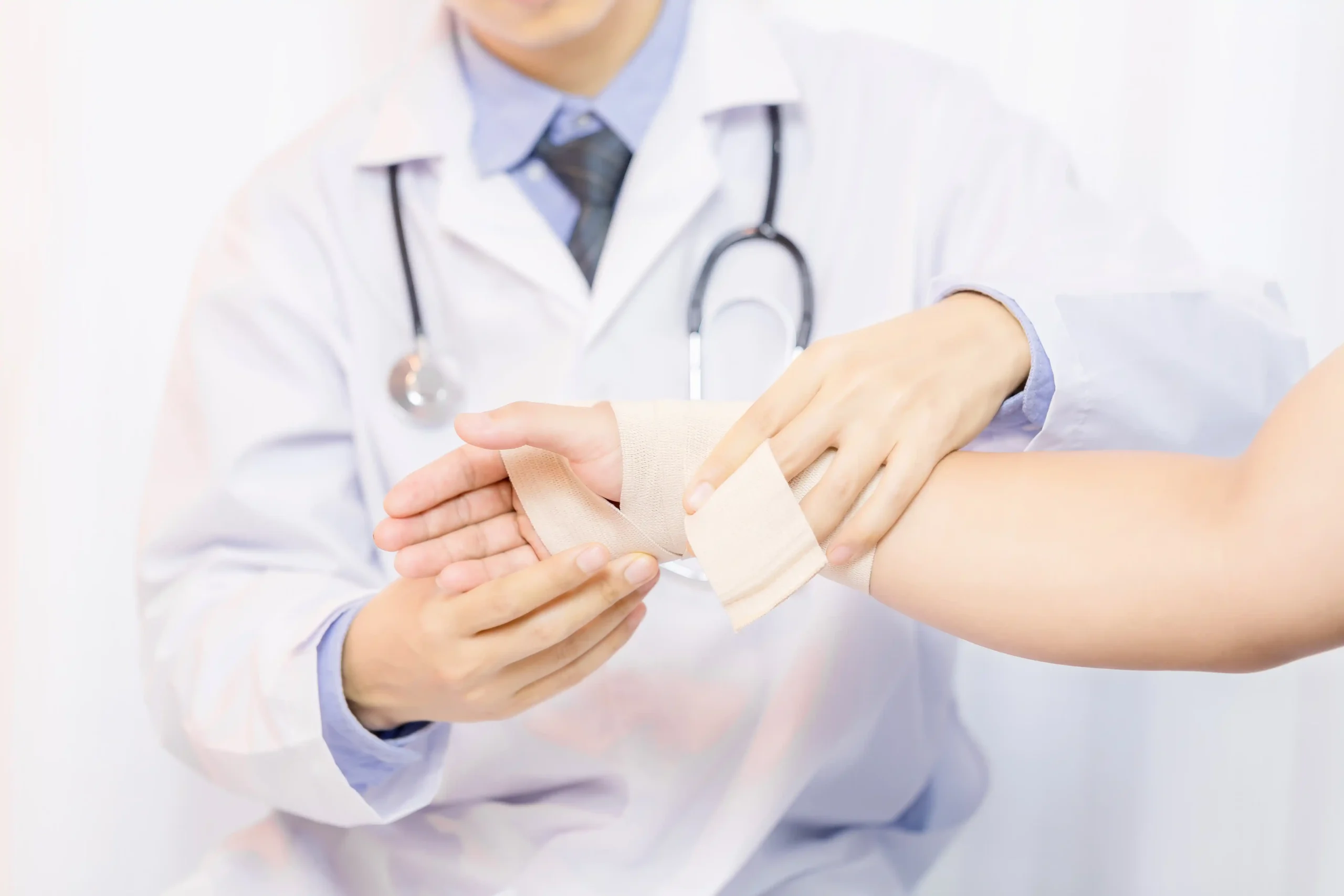
Surgical wounds are carefully created incisions that allow surgeons to perform medical procedures. After surgery, the body begins a complex healing response that involves inflammation, tissue formation, collagen production, and skin remodeling. This process helps restore the integrity of the surgical site while protecting against infection and other complications.
Several factors influence how quickly and effectively a surgical wound heals. Age, circulation, nutrition, chronic medical conditions, smoking habits, medication use, and overall health can all impact recovery. Because every patient experiences healing differently, individualized wound care is often essential for supporting successful outcomes and long-term tissue health.

Years of Experience

Medical Specialties

Modern Rooms

Happy Patients
Our Core Values
Healing-Centered Care
Regenerative Innovation

Clinical Precision
The Stages of Healing a Surgical Wound
01
Initial Inflammatory Response
02
Tissue Formation Phase
03
Wound Strengthening Process

02
Tissue Formation Phase
04
Long-Term Tissue Remodeling
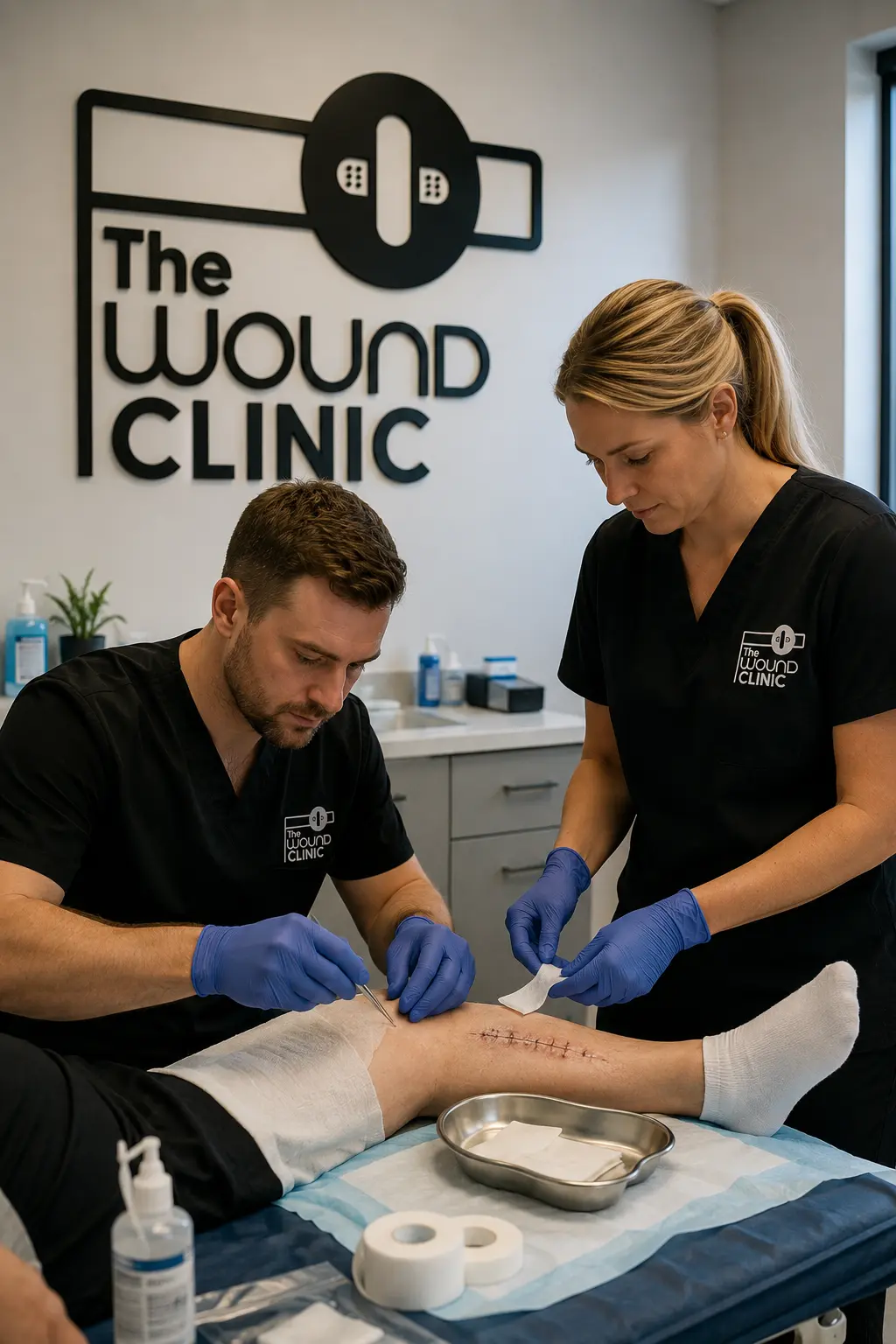
Services That Support Healing a Surgical Wound


Why Professional Support Helps with Healing a Surgical Wound
- Comprehensive wound assessments
- Personalized recovery plans
- Advanced wound management
- Routine healing evaluations
- Surgical site monitoring
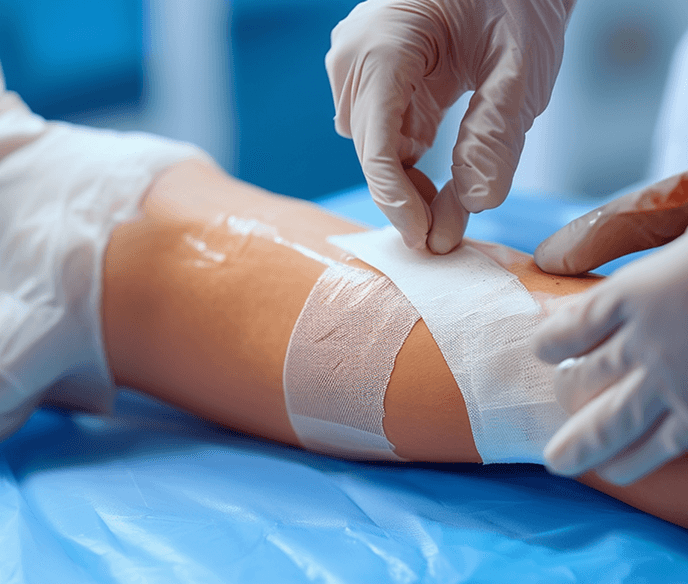
- Professional dressing support

Frequently Asked Questions
How long does Healing a Surgical Wound usually take?
The time required for Healing a Surgical Wound depends on several factors, including the type of surgery, incision size, overall health, age, and underlying medical conditions. While many surgical incisions begin closing within a few weeks, complete Healing a Surgical Wound can continue for several months as deeper tissues rebuild. Our wound care specialists carefully monitor Healing a Surgical Wound throughout recovery, providing personalized treatment, advanced wound care, and ongoing clinical support to encourage healthy tissue regeneration and reduce the risk of delayed healing.
What helps Healing a Surgical Wound progress more effectively?
Successful Healing a Surgical Wound requires proper wound hygiene, professional dressing management, balanced nutrition, hydration, and regular follow-up care. Our Healing a Surgical Wound program focuses on personalized recovery plans, advanced wound management, and continuous monitoring to help patients heal safely. By following professional wound care recommendations and attending scheduled evaluations, patients often experience healthier tissue repair, fewer complications, and improved long-term recovery outcomes.
What are the warning signs that Healing a Surgical Wound is delayed?
Signs that Healing a Surgical Wound may require professional evaluation include increased redness, swelling, persistent drainage, wound separation, unpleasant odor, increasing discomfort, or an incision that stops improving over time. Delayed Healing a Surgical Wound can occur due to diabetes, poor circulation, infection, or other medical conditions. Our experienced wound care specialists evaluate these concerns early, develop individualized treatment strategies, and provide advanced wound care designed to restore healthy healing progression.
Can diabetes affect Healing a Surgical Wound?
Yes. Diabetes can significantly influence Healing a Surgical Wound by reducing circulation, slowing tissue regeneration, and affecting the body’s natural immune response. Patients living with diabetes often require closer monitoring during Healing a Surgical Wound to reduce the likelihood of delayed recovery. Our advanced wound care specialists provide comprehensive diabetic wound management, personalized treatment plans, and ongoing evaluations that support healthier incision healing while minimizing post-operative complications.
Why is professional wound care important for Healing a Surgical Wound?
Professional care plays a vital role in Healing a Surgical Wound because trained wound care specialists can recognize subtle changes that may delay recovery before they become serious problems. Our Healing a Surgical Wound services include advanced wound assessments, personalized dressing management, infection prevention strategies, and evidence-based treatment recommendations. Continuous clinical monitoring helps ensure the surgical incision heals properly while improving long-term recovery and overall patient outcomes.
Book a Consultation Today
Support Your Recovery with Expert Surgical Wound Care
The journey of Healing a Surgical Wound requires patience, proper care, and ongoing attention to recovery. Every stage of healing presents opportunities to support tissue repair, protect the surgical site, and reduce the risk of complications that could delay progress. Professional wound care helps ensure that recovery remains on track while providing personalized guidance tailored to each patient’s unique needs.
Whether you’re recovering from a recent surgery or seeking additional support for a healing incision, our experienced wound care team is here to help. Schedule an evaluation today to learn how individualized wound management and expert recovery guidance can support healthier healing, improved comfort, and long-term surgical success.