

Advanced Diabetic Foot Ulcer Treatment in Fayetteville GA
Diabetic foot ulcers are among the most common and serious complications associated with diabetes. Without timely treatment and ongoing monitoring, these wounds can become increasingly difficult to heal and may lead to significant health concerns. Our Diabetic Foot Ulcer Treatment Fayetteville GA services are designed to provide comprehensive care focused on promoting healing, protecting tissue health, and helping patients maintain mobility and independence.
Our experienced wound care specialists understand the unique challenges associated with diabetic wound healing. Through advanced treatment strategies, personalized recovery plans, and continuous monitoring, we help patients address healing barriers before they develop into more complex complications.

Opening Hours
Mon - Fri: 8.00am - 5.00pm

Emergency Case
We Have Experienced Doctors

Health Helpline
888-391-4999
About Our Diabetic Foot Ulcer Treatment
Comprehensive Diabetic Wound Care Focused on Prevention and Recovery
Diabetes can affect circulation, nerve function, and the body’s natural healing process, making even minor foot injuries difficult to heal. When wounds remain untreated or fail to heal properly, they can develop into diabetic foot ulcers that require advanced medical attention and ongoing wound management.
Our Diabetic Foot Ulcer Treatment Fayetteville GA program focuses on identifying the underlying factors that contribute to delayed healing while delivering targeted wound care solutions tailored to each patient’s needs. We begin with a thorough assessment of the wound, overall foot health, circulation status, and medical history to develop a personalized treatment strategy.


Years of Experience

Medical Specialties

Modern Rooms

Happy Patients
Our Core Values

Healing-Centered Care

Regenerative Innovation

Clinical Precision
Our Treatment Process
01
Comprehensive Diabetic Foot Evaluation
02
Personalized Treatment Development
03
Advanced Wound Care Implementation

02
Personalized Treatment Development
04
Continuous Progress Monitoring
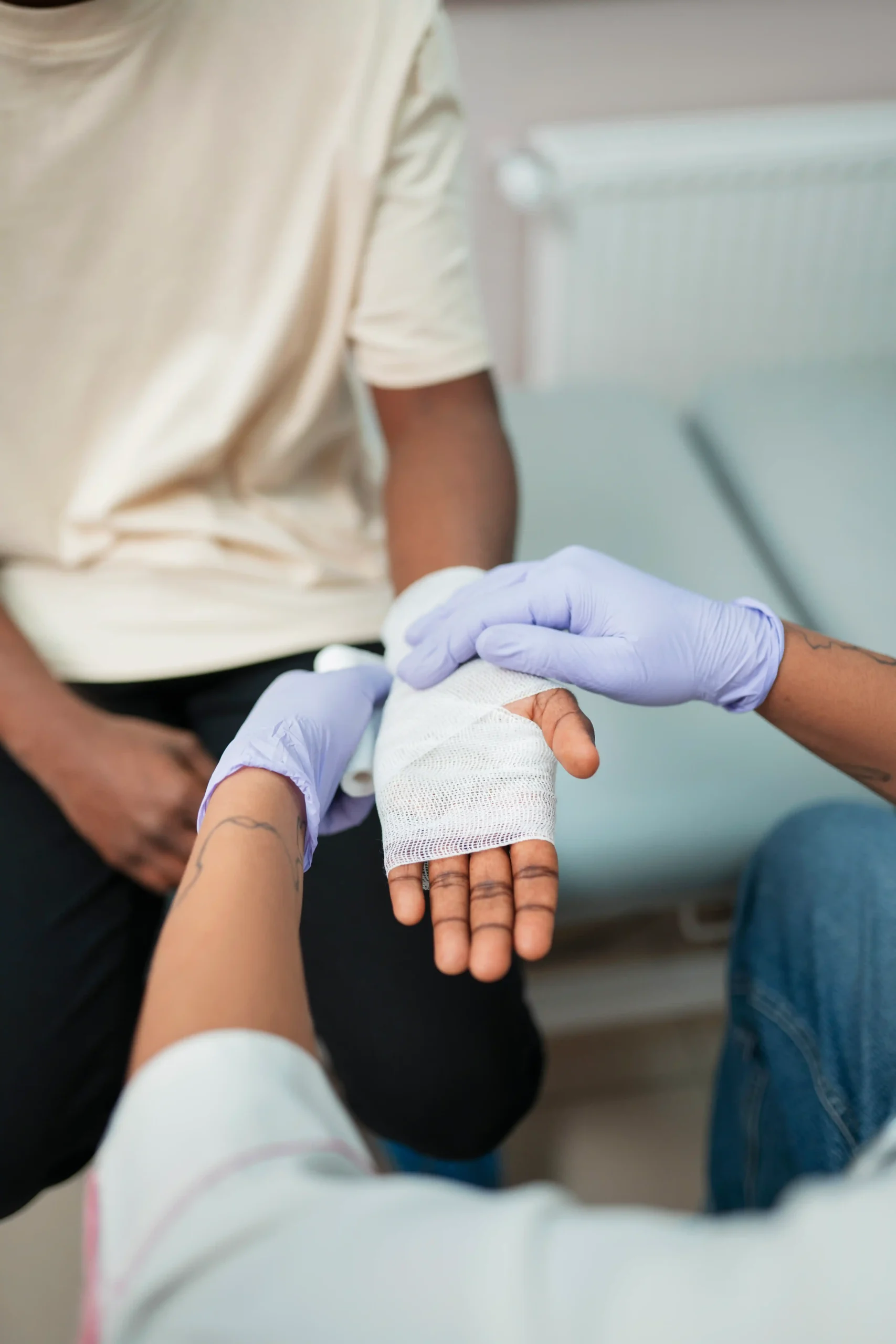
Diabetic Foot Ulcer Treatment Services


Why Choose Our Diabetic Foot Ulcer Treatment Fayetteville GA?
- Specialized diabetic wound care expertise
- Personalized treatment plans
- Advanced wound management solutions
- Comprehensive healing assessments
- Ongoing recovery monitoring
- Preventive foot health education

Frequently Asked Questions
What is a diabetic foot ulcer?
A diabetic foot ulcer is an open wound or sore that develops on the foot of a person living with diabetes. These wounds often occur due to a combination of reduced sensation, pressure points, circulation issues, and delayed healing. Without proper treatment, diabetic foot ulcers can become more serious and may require advanced wound care management to support recovery and prevent complications.
Why do diabetic foot ulcers take longer to heal?
Diabetes can affect blood circulation, nerve function, and the body’s ability to repair damaged tissue. As a result, wounds may heal more slowly than expected. Reduced sensation can also make it difficult for patients to notice injuries early, allowing wounds to worsen before treatment begins. Comprehensive wound care helps address these challenges and supports the healing process.
What are common signs of a diabetic foot ulcer?
Common signs may include an open sore, drainage, redness, swelling, discoloration, unusual odor, or a wound that does not seem to improve over time. Some individuals may not experience significant pain due to diabetic neuropathy. Any foot wound that remains open or shows signs of delayed healing should be evaluated by a wound care specialist.
How is a diabetic foot ulcer treated?
Treatment typically involves wound assessments, specialized dressing management, tissue protection, infection monitoring, pressure reduction strategies, and ongoing healing evaluations. The exact treatment approach depends on the wound’s severity, location, and underlying health factors affecting recovery.
Can diabetic foot ulcers be prevented?
Many diabetic foot ulcers can be prevented through regular foot inspections, proper footwear, blood sugar management, routine medical evaluations, and early attention to minor injuries. Prevention education is an important component of comprehensive diabetic wound care.
Book a Consultation Today
Take the First Step Toward Healthier Diabetic Foot Recovery
Diabetic foot ulcers require prompt attention, specialized care, and ongoing support to achieve successful healing. Our Diabetic Foot Ulcer Treatment Fayetteville GA program is designed to provide patients with advanced wound care solutions, personalized treatment strategies, and expert guidance throughout every stage of recovery.
If you’re searching for trusted Diabetic Foot Ulcer Treatment Fayetteville GA, our experienced wound care specialists are ready to help. Schedule a comprehensive evaluation today and discover how personalized diabetic wound management, advanced healing support, and preventive care strategies can help protect your foot health and support long-term recovery.