
Our Services
Let us help you!
If you have any questions or need assistance, feel free to get in touch. We typically respond within one business day. For urgent matters, you’re welcome to call us directly.
Wound Care Management Education
At The Wound Clinic, we believe wound healing doesn’t stop when a wound closes. Ongoing wound care management and education are essential to preventing recurrence and protecting long-term health. Our Wound Prevention Education program equips patients and caregivers with the skills and confidence needed to monitor skin, reduce risks, and maintain healing at home.
Our Wound Prevention Education Services
We recognise that every patient’s situation is unique, so our education programs are designed to be practical, personalised, and easy to follow. Whether provided at home, in a skilled nursing facility, or in one of our partner clinics, these sessions ensure patients and caregivers have the tools and confidence they need to protect long-term healing.
One-on-One Instruction for Patients & Caregivers
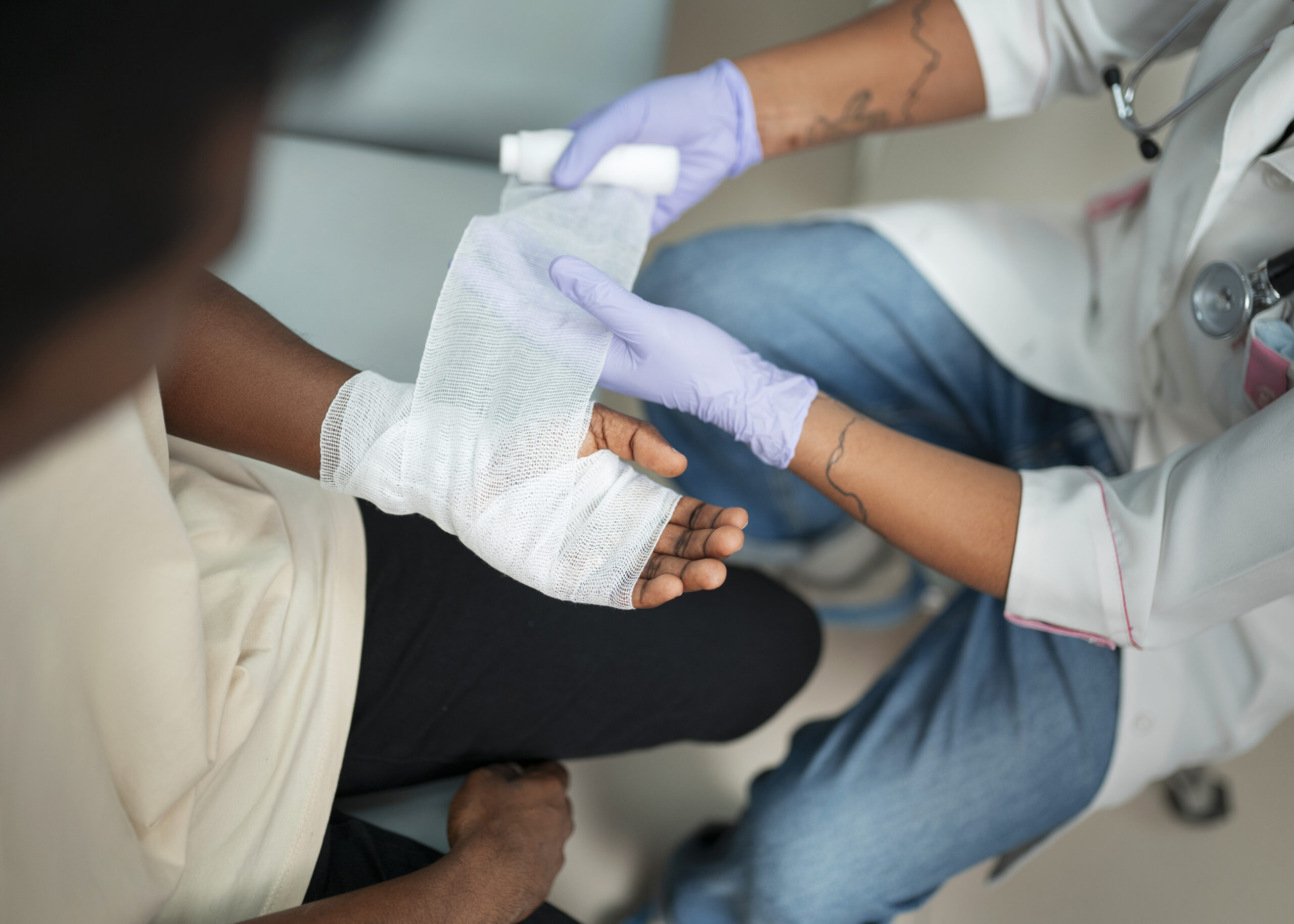
We provide tailored, step-by-step training so that both patients and caregivers know exactly what to do day-to-day. This may include how to safely change a dressing, recognise healthy versus concerning wound appearances, and track progress. These sessions are interactive, allowing patients and families to ask questions and practice techniques under the guidance of a specialist.
Skin Integrity Monitoring & Risk Reduction Training (H3)
Healthy skin is the body’s first defence. Our team teaches patients and carers how to perform regular skin checks, identify high-risk pressure points (such as heels, elbows, and sacrum), and understand early warning signs of breakdown. We also review lifestyle and medical risk factors, such as diabetes, immobility, or poor circulation, and provide strategies to reduce their impact.
Guidance on Pressure Offloading & Mobility (H3)
Prolonged pressure is one of the most common causes of chronic wounds. We train patients and caregivers in pressure offloading techniques, including proper repositioning schedules, use of cushions or mattresses, and mobility aids that reduce stress on vulnerable areas. Where possible, we also incorporate gentle mobility exercises to encourage circulation and overall recovery.
Nutrition & Lifestyle Support (H3)
Healing begins from within. Our wound care specialists provide practical guidance on nutrition and hydration, focusing on foods rich in protein, vitamins, and minerals that support tissue repair. We also discuss lifestyle habits, such as smoking cessation and blood sugar control, that directly influence healing outcomes. These conversations are practical and tailored to what is realistic for each patient’s daily life.
Daily Self-Care Practices (H3)
Small daily routines can make the biggest difference. We provide clear instructions on hand hygiene, safe dressing changes, wound cleaning, and maintaining moisture balance, all of which reduce infection risk and promote faster healing. Patients and caregivers also learn when to seek professional help, so concerns are addressed before they become complications.
By focusing on prevention, our team empowers you to take an active role in your recovery and reduce the risk of wounds recurring.
Why Education Matters in Wound Care Management
Healing a wound is only part of the journey, preventing it from coming back is just as important. Many patients who experience one chronic wound are at risk of developing another if underlying factors are not addressed. That’s why education is central to wound care management. By understanding how wounds develop, what puts you at risk, and how to take proactive steps every day, you gain long-term control over your health.
Here’s why education makes such a difference:
Empowerment
Knowledge gives patients and caregivers confidence. When you understand how to care for your skin, change dressings correctly, or reposition safely, you feel in control of your healing rather than dependent or uncertain.
Early Detection
Patients who are trained to spot the earliest signs of breakdown, such as redness, warmth, or swelling, can act quickly, often preventing a minor irritation from becoming a full wound.
Consistency of Care
Healing requires daily attention. Education ensures that wound care routines (like skin checks, repositioning, and dressing maintenance) are followed correctly between clinic visits. This consistency makes a measurable difference in outcomes.
Prevention of Recurrence
Chronic wounds often come back if risk factors such as pressure, poor circulation, or diabetes are not managed. Education gives patients and families practical tools to reduce these risks, such as using offloading devices, following compression therapy, or making dietary adjustments.
Improved Healing Outcomes
When patients understand the “why” behind their care, for example, how protein supports tissue repair or why moisture balance matters, they are more motivated to follow through, adherence improves, and healing times shorten.
Caregiver Support
Education isn’t just for patients. Caregivers receive clear instructions and demonstrations, so they can confidently support their loved ones. This reduces stress for families and ensures patients get the right help between professional visits.
In short, wound care education transforms patients and caregivers from passive recipients into active partners in healing. By investing in prevention and management training, we help protect your recovery, reduce the chance of new wounds forming, and improve your overall quality of life.
FAQs: Wound Prevention Education & Management
Why is wound care education important?
Education helps patients and caregivers understand how to maintain skin integrity, prevent complications, and recognise early warning signs. This reduces the risk of wounds recurring and promotes long-term healing.
Who can benefit from wound prevention education?
Anyone at risk of chronic wounds — including people with diabetes, limited mobility, vascular conditions, or a history of pressure ulcers — benefits from learning practical prevention skills. Caregivers also gain confidence in supporting loved ones at home.
What topics are covered during training?
Sessions typically include skin inspection, signs of infection, safe repositioning, nutrition tips, dressing changes, and daily self-care practices. Training is tailored to each patient’s condition and environment.
Is this education provided in-home or only in the clinic?
Both. We offer in-home education for patients with mobility challenges, as well as training in skilled nursing facilities and clinics. Our goal is to teach skills where they are most needed and easiest to apply.
Can wound prevention education really stop wounds from coming back?
While not all wounds are preventable, education greatly reduces recurrence risk. With proper knowledge of skin care, nutrition, offloading, and infection warning signs, patients can take proactive steps that dramatically improve outcomes.