
Our Services
Let us help you!
If you have any questions or need assistance, feel free to get in touch. We typically respond within one business day. For urgent matters, you’re welcome to call us directly.
Chronic Wound Treatment
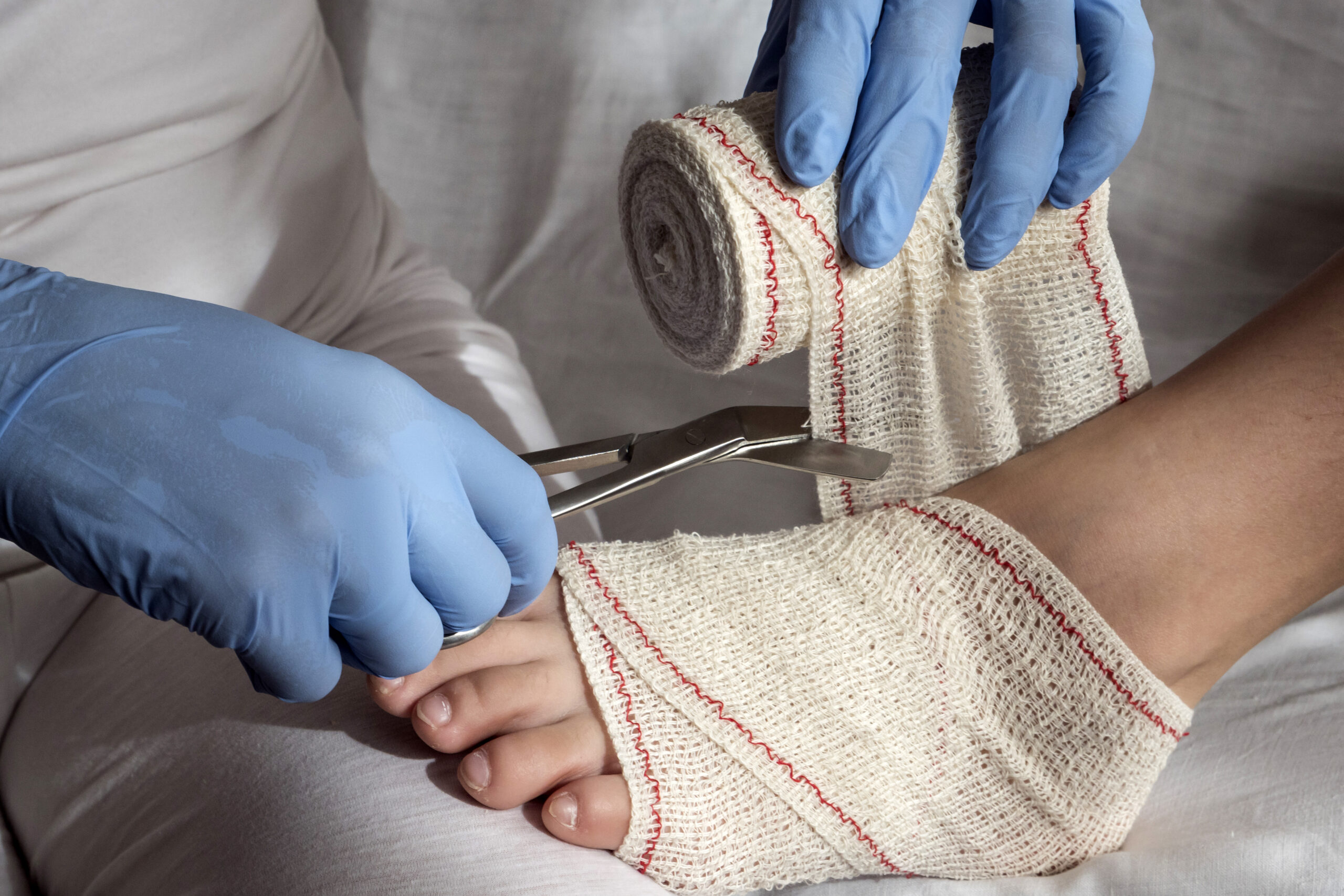
Chronic wounds are wounds that fail to progress through the normal healing process in a timely manner, often remaining open for months without improvement. If you have an open sore or scab that just won’t heal, it may be a chronic wound in need of specialized care. These non-healing wounds are surprisingly common, affecting approximately 1–2% of the population at any time, and they can lead to serious complications like persistent infection, open wound pain, or even limb loss if not properly managed.
Our clinic provides advanced chronic wound treatment and open wound care, with a multidisciplinary team focused on healing these stubborn wounds and preventing recurrence. Because chronic wounds are often complex and sometimes incorrectly treated in general practice, our specialized approach follows proven wound management guidelines to give patients the best chance at recovery.
Types of Chronic Wounds We Treat
Chronic (non-healing) wounds can result from a variety of causes. Our wound clinic is equipped to treat all forms of chronic and complex wounds, including:
- Diabetic Foot Ulcers: Sores on the feet caused by diabetes-related nerve damage and poor circulation, often occurring on the bottom of the foot. These wounds heal slowly without specialized care and can precede serious complications if untreated.
- Venous Leg Ulcers: Wounds usually around the lower legs or ankles caused by venous circulation problems (venous insufficiency). They are often shallow but can be long-lasting due to swelling and poor blood return in the veins.
- Arterial & Ischemic Ulcers: Ulcers caused by poor arterial blood flow (often in the feet, toes, or pressure points). These non-healing wounds result from a lack of oxygenated blood and may have “punched-out” appearances or even blackened tissue (eschar) if severe.
- Pressure Injuries (Bedsores): Wounds from prolonged pressure on the skin, common in patients with limited mobility (over bony areas like the tailbone, heels, or hips). Without relief of pressure, these can deepen and resist healing.
- Non-Healing Surgical or Traumatic Wounds: Surgical incisions or traumatic injuries that won’t heal normally, often due to infection, tension on the wound, or underlying health issues. We provide care to get these difficult post-surgery or injury wounds back on track to healing.
If you’re not sure what type of wound you have, don’t worry – our team will evaluate and classify it in order to choose the right treatment.
Our Comprehensive Chronic Wound Management Approach
Thorough Evaluation
Effective treatment starts with a comprehensive evaluation of your wound and overall health. Our specialists assess the wound’s size, depth, tissue condition, and drainage, and perform vascular evaluations to check blood flow (for example, feeling pulses in the foot and measuring ankle-brachial index).
This step identifies underlying issues, like poor circulation or infection, that might be impeding healing. In some cases, we may take wound cultures or perform imaging, and atypical wounds might even be biopsied to rule out unusual causes. By pinpointing the obstacles to healing, we can create a tailored plan for each patient.
Foundations of Wound Care (TIME Principle)
Our clinic follows established best practices to jump-start healing. We adhere to the TIME framework, Tissue management, Infection control, Moisture balance, and Edge preparation. This means we carefully debride (remove) any dead or diseased tissue from the wound bed, since removing necrotic tissue stimulates healthy tissue growth. We treat any infection with appropriate antibiotics or antiseptic dressings and avoid unnecessary antibiotics in clean wounds.
We maintain an optimal moist environment with advanced dressings (wounds heal faster with moisture, not air), our dressings are designed to keep the wound just moist enough to promote new tissue growth without causing maceration. We also protect the healthy skin and edges of the wound, sometimes lightly debriding or treating wound edges so that new skin can form and the wound can close properly. By addressing these four pillars, we create the ideal conditions for healing.
Specialized Treatments for Each Wound Type
After those general measures, we personalize treatment based on the type and cause of your wound. Different wounds require different interventions: for example, we use compression therapy (specialized bandages or stockings) and leg elevation to treat venous leg ulcers, as compression is proven to improve venous ulcer healing. For diabetic foot ulcers, we emphasize offloading, relieving all pressure from the foot using devices like total contact casts or special boots, which is the gold standard for diabetic wound care.
If you have an arterial ulcer (from poor circulation), we coordinate care with vascular specialists to improve blood flow, patients with arterial ulcers may be referred for procedures to restore circulation as a critical first step. For pressure ulcers, we alleviate pressure on the area (frequent repositioning, cushioning) so that the wound can start healing.
In every case, our multidisciplinary team (including wound care physicians, nurses, podiatrists, and vascular surgeons) works together to address the specific needs of your wound. This targeted approach ensures that each patient receives the right therapy for their situation, which can significantly speed up healing times.
Advanced Wound Care Therapies
Our wound clinic offers state-of-the-art therapies to tackle the most stubborn wounds. One highly effective option is Negative Pressure Wound Therapy (NPWT), also known as a wound VAC. This therapy uses a special sealed dressing attached to a vacuum pump that gently draws continuous suction on the wound. NPWT increases blood flow to the area, helps remove excess fluid, and stimulates the growth of healthy tissue, research shows it can help chronic wounds heal faster and even reduce hospital stay when used appropriately. We also provide access to Hyperbaric Oxygen Therapy (HBOT) for certain non-healing wounds.
HBOT involves breathing pure oxygen in a pressurized chamber, which greatly increases the oxygen concentration in your bloodstream and delivers more oxygen to the wound site. This can jump-start healing in wounds caused by poor circulation or radiation injury and is especially beneficial for diabetic foot ulcers with poor blood flow. Another advanced technique we use is skin grafting and bioengineered skin substitutes for large or deep wounds that cannot close on their own. In a skin graft procedure, healthy skin (or a skin substitute) is placed over the wound to provide a scaffold for new growth.
Studies have found that grafts can significantly speed up the healing of hard-to-heal ulcers, such as venous leg ulcers and diabetic foot ulcers. Depending on your case, we may also use growth factor dressings, specialized foam or gel dressings, enzyme therapies, or biological therapies (like platelet-rich plasma) to stimulate healing. All of these tools are available to ensure that even chronic, “impossible” wounds have the best chance to heal.
Patient Comfort and Ongoing Care
Throughout treatment, we prioritize your comfort and overall well-being. Chronic wounds can be very painful and frustrating to live with, so our team also focuses on pain management and patient education. We use dressings that won’t stick to the wound bed (to avoid painful dressing changes) and can pre-moisten dressings with saline so they come off gently. If needed, we administer appropriate pain medications or topical anesthetics when performing procedures like debridement.
We also involve you in your own care, teaching you how to keep the wound clean, protect the surrounding skin, and recognize signs of infection early. As your wound heals, we schedule regular check-ups and adjust the treatment plan as needed (this is chronic wound management, which means ongoing, adaptive care over time). Healing a chronic wound is often a journey, and our team will support you at every step.
Preventing Recurrence
Successfully closing a chronic wound is a great accomplishment, but our job doesn’t end there. We strive to prevent the wound from coming back or new wounds from forming. This means addressing the underlying causes and risk factors that led to the wound. Our clinicians will help you manage conditions like diabetes, vascular disease, or neuropathy more effectively to improve blood flow and skin health.
For example, if you had a diabetic foot ulcer, we’ll advise on proper footwear, foot hygiene, and blood sugar control going forward. If you healed a venous ulcer, we’ll guide you in using compression stockings and leg exercises to improve circulation. We also emphasize good nutrition (since a balanced diet rich in protein and vitamins aids wound healing), smoking cessation (because smoking drastically impairs circulation), and other lifestyle changes that promote healthy skin.
By taking proactive steps and following a personalized care plan, you can significantly minimize the chances of the wound reopening or a new chronic wound developing. Our goal is not only to heal the wound you have now, but to equip you with the knowledge and support to maintain long-term skin integrity and health.
With our comprehensive, team-based approach, even wounds that have lingered for months or years can often heal. We are dedicated to restoring tissue integrity and improving your quality of life, so you can get back to living without the constant worry of an open wound.
Frequently Asked Questions about Chronic Wound Care
When should I stop covering an open wound?
In general, you should keep a wound covered and moist until it has substantially healed. For a typical minor wound, experts recommend keeping it bandaged for around 5 days before considering leaving it open. Keeping a wound covered for at least several days helps maintain a moist environment that promotes faster healing and reduces infection risk. You should change the dressing daily (or as directed) and apply ointment or petroleum jelly to keep the wound moist each time. Do not leave a chronic or deep wound uncovered, as drying it out can actually slow healing. Only stop covering a wound once a healthcare professional advises that it’s appropriate, usually when the wound is no longer open or draining. For chronic wounds, you will likely need to continue covering and treating the wound for weeks or months until it fully heals. Always follow your wound care specialist’s guidance on wound dressings, and don’t let the wound “air out” unless instructed (wounds heal faster when kept moist and protected).
How do you treat a wound that won’t heal (a non-healing wound)?
Treating a chronic, non-healing wound requires a comprehensive approach and patience. First, we evaluate why the wound isn’t healing, this includes checking blood flow, looking for infection, and identifying any underlying conditions (like diabetes or vein issues) that need to be addressed. Treatment then focuses on getting the wound into a healing-friendly state. We will clean the wound and remove any dead tissue (this process is called debridement) to stimulate healthy tissue growth. The wound is dressed with special bandages that keep it moist but clean, and we apply antibiotics or antiseptic treatments if there’s any infection present. Proper wound care and dressing changes are done regularly to gradually encourage new skin to form. In addition, advanced therapies can be used for wounds that truly won’t heal with basic care. For example, we might use negative pressure wound therapy, a device that applies gentle suction to the wound, which has been shown to improve healing in chronic wounds. For certain wounds, we can also utilize hyperbaric oxygen therapy to flood the tissue with oxygen and boost healing. Large or very stubborn wounds might benefit from skin grafts or biologic dressings to help close the wound faster. Crucially, we also treat the underlying cause of the non-healing wound in parallel: that means improving circulation (perhaps with a vascular procedure), controlling blood sugar if you’re diabetic, relieving pressure, improving nutrition, etc. By combining all these strategies, wound cleaning, infection control, advanced therapies, and addressing root causes, we can achieve healing even for wounds that have not healed for a long time. It often takes specialized care and consistency, but many “wounds that won’t heal” can heal with the right approach.
How long does it take for a deep wound to heal?
The healing time for a deep wound can vary widely depending on the wound’s size, location, and your overall health. In general, a deep but uncomplicated wound (for example, a surgical incision) might take several weeks to a couple of months to fully heal with proper care. However, if a wound is not significantly improved after about 4 weeks or not fully healed after 8 weeks, it is considered a chronic wound (non-healing). Chronic deep wounds can take many weeks or even months of dedicated treatment to finally close. Every individual heals at a different rate – factors like circulation, nutrition, infection, and pressure on the wound can all affect the timeline. With advanced wound care, we aim to speed up the process as much as possible, but deep wounds often heal gradually, from the bottom up. It’s important to follow your wound care plan and be patient. Your provider can give you a more specific estimate after evaluating the wound’s condition. Remember, even wounds that have been open for a long time can heal, it just may take longer and require specialized therapies. Our team will monitor the wound’s progress closely; if healing is slower than expected, we’ll adjust the treatment to keep it moving in the right direction.
What should I do if the gauze won’t come off my wound even after soaking it?
If a bandage or gauze is stuck to your wound and doesn’t come off easily after soaking, do not rip it off dry, this can tear healing tissue. Instead, keep the dressing soaked a bit longer. Use clean water or (ideally) a sterile saline (saltwater) solution and thoroughly re-moisten the gauze. Given a few more minutes, the adhesive fibers should loosen. You can also gently irrigate (rinse) around the edges of the gauze with saline to help release it. Medical guidelines suggest that rinsing a wound with saline before removing a dressing makes it come off more easily with less pain. If the gauze still won’t budge, apply more saline and take your time, in stubborn cases, keep the gauze wet for several minutes and try removing it slowly, bit by bit, rather than in one pull. To prevent this problem in the future, our clinic uses non-stick dressings or applies a layer of protective ointment under bandages so they won’t stick to the wound. If you’re consistently having trouble with stuck dressings, let your wound care nurse or doctor know. They can recommend special low-adherence dressings that won’t stick, or they can remove the dressing for you safely. It’s always better to get professional help than to accidentally reopen a healing wound by forcefully pulling off stuck gauze.