
Our Services
Let us help you!
If you have any questions or need assistance, feel free to get in touch. We typically respond within one business day. For urgent matters, you’re welcome to call us directly.
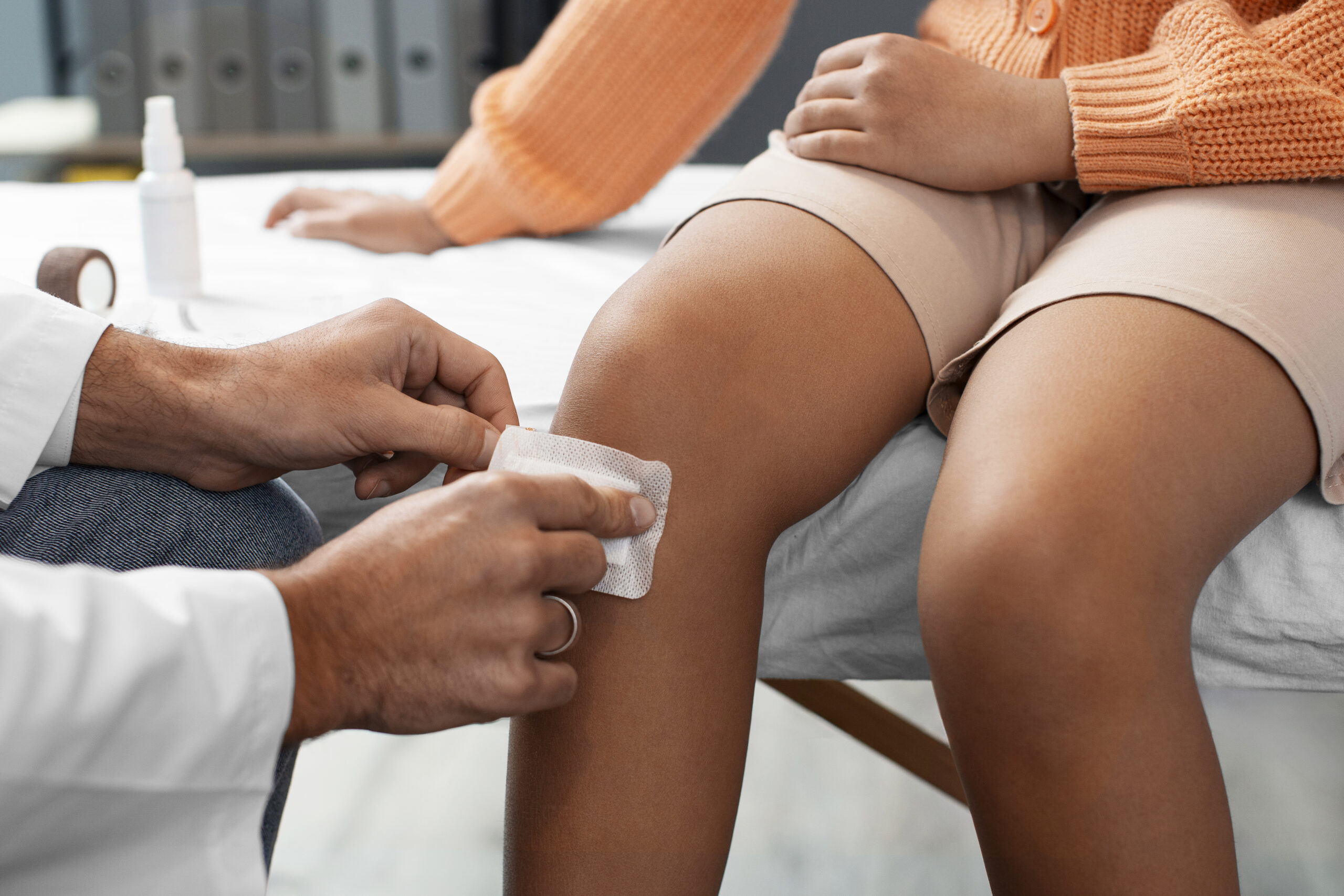
Advanced Wound Care
For patients with severe or treatment-resistant wounds, our team provides wound care technologies to jumpstart healing when standard treatments aren’t enough. This advanced wound care helps stimulate tissue repair, prevent infection, and assist with faster recovery.
Each patient’s treatment plan is tailored for optimal results and adjusted as needed, ensuring close monitoring of wound progression. We even deliver care in convenient settings, on-site in patient homes, within skilled nursing facilities (SNFs), and at partner clinics, so you can receive advanced wound care where it’s needed most.
Our Advanced Wound Care Services
Negative Pressure Wound Therapy (NPWT)
A vacuum-assisted therapy that applies controlled suction to the wound. NPWT increases local blood flow and encourages granulation tissue formation, while reducing swelling (edema) and removing excess fluids.
By creating a sealed, negative-pressure environment, it helps draw the wound edges together, keeps the area clean, and accelerates healing.
Bioengineered Skin Substitutes
Laboratory-engineered skin grafts and dressings that mimic the structure of natural skin. These substitutes provide a biological scaffold rich in collagen and growth factors, supporting tissue regeneration and aiding wound closure.
By encouraging new cell growth and blood vessel formation, bioengineered skin substitutes promote faster healing and can even reduce scarring. This therapy is especially useful for large or deep wounds that need extra help with tissue repair.
Enzymatic & Autolytic Debridement
Gentle, non-surgical methods for removing devitalized (dead) tissue from the wound bed. Enzymatic debridement uses topical enzymes to safely dissolve and digest dead tissue without harming healthy skin. Autolytic debridement harnesses the body’s own natural enzymes and moisture under specialized dressings to soften and break down necrotic tissue.
By clearing away slough and debris, these debridement techniques prevent infection and create a clean foundation for new, healthy tissue to grow, thereby promoting faster healing.
Topical Oxygen Therapy & Advanced Antimicrobial Dressings
We deliver concentrated oxygen directly to the wound site through topical oxygen therapy devices. This increases oxygen levels in the damaged tissue, countering the oxygen deprivation common in chronic wounds and stimulating the healing process.
In parallel, we utilize advanced antimicrobial dressings (such as silver-infused, iodine, or honey-based dressings) to combat infection. These innovative dressings provide robust protection against bacteria while supporting tissue repair. Together, topical oxygen and antimicrobial dressings create an optimal wound environment, rich in oxygen and free of heavy bacterial burden, to speed up recovery.
Each advanced therapy is customized to your needs. Our wound care specialists will assess your wound type, size, and underlying conditions to determine the right combination of treatments. Throughout the course of care, we closely monitor healing progress and adjust therapies as needed for the best outcome. Our goal is to achieve wound closure as quickly and safely as possible, restoring health and preventing complications like infection or chronic pain.
By choosing our Advanced Wound Care, you are opting for a comprehensive, state-of-the-art approach to wound healing. Our dedicated team will guide you through every step, from initial assessment and therapy selection to ongoing monitoring and support, until your wound is healed. With personalized care plans, the latest healing technologies, and the convenience of on-site treatment options, we are committed to helping you recover faster and regain your quality of life.
Frequently Asked Questions about Advanced Wound Care
Who can benefit from advanced wound therapies?
Patients with chronic, non-healing, or complex wounds that haven’t improved with standard care are ideal candidates for advanced therapies. This includes diabetic foot ulcers, pressure ulcers (bedsores), venous leg ulcers, severe surgical or traumatic wounds, and any wound that is not healing on its own. In such cases, specialized interventions like NPWT, bioengineered skin grafts, or oxygen therapy can significantly improve healing outcomes. Our team will evaluate your wound and medical history to determine if advanced therapy is appropriate.
What makes these therapies different from standard wound care?
Standard wound care typically involves regular cleaning, basic dressings, and addressing underlying issues. Advanced wound therapies go a step further by using cutting-edge technology and biologically active treatments to actively stimulate healing. For example, NPWT uses controlled suction to physically enhance tissue growth, and bioengineered skin substitutes add living tissue components to jumpstart closure. These therapies are evidence-based innovations designed for wounds that need extra help beyond routine dressings and ointments. In short, advanced therapies provide targeted healing boosts when wounds are stalled or at high risk for complications.
Are advanced wound treatments available outside of a hospital or clinic?
Yes. Our wound care program is flexible in delivery settings. We can provide advanced wound therapy in our specialized clinic or on-site at other locations, including patient homes, assisted living and skilled nursing facilities, and partner clinics. This means if you have limited mobility or are in a care facility, we bring the treatment to you. For instance, portable NPWT devices and topical oxygen therapy units allow us to continue treatment at home. Our goal is to ensure you receive consistent, expert wound care in the most convenient and appropriate setting for your situation.
Does Negative Pressure Wound Therapy (NPWT) hurt or restrict movement?
NPWT is generally well-tolerated. You might feel a gentle suction or pulling sensation under the dressing, but it should not be painful. Our team applies a foam or gauze dressing to the wound, seals it with a film, and then attaches a small vacuum pump. The device is often lightweight and portable, running continuously or in cycles. Most patients can move around with the NPWT device in place, it may clip to a belt or hang from a shoulder strap. If you do experience any discomfort or issues with mobility, we can adjust the vacuum settings or dressing to improve comfort. Patients usually find that the benefits of NPWT, such as reduced swelling and faster healing, outweigh any minor inconvenience of wearing the device.
Will my insurance cover advanced wound care therapies?
In many cases, yes. Treatments like NPWT, bioengineered skin substitutes, and specialized debridement are commonly covered by Medicare, Medicaid, and private insurance when they are deemed medically necessary for a non-healing wound. We have insurance specialists who will help verify your coverage and obtain any required pre-authorizations. Before starting therapy, we will explain your benefits and any out-of-pocket costs. Our team works closely with your primary care provider or referring physician to document the need for advanced therapy, which helps in securing insurance approval. Financial considerations are discussed upfront, so you can make an informed decision about your care.
How long does it take for a chronic wound to heal with these advanced therapies?
Healing times vary depending on the wound’s size, depth, cause, and your overall health. Advanced therapies can significantly speed up wound closure compared to standard care alone, especially for chronic wounds. Some wounds may heal in a matter of weeks with aggressive treatment, while more severe ulcers could take a few months of ongoing therapy to fully close. During your initial evaluation, our specialists will give you an estimate based on clinical experience and evidence-based guidelines. We track your wound’s progress at each visit, measuring size reduction and tissue growth, to ensure you’re on the right track. Remember, factors like nutrition, blood sugar control (for diabetics), and reducing pressure on the wound also affect healing time. By combining advanced wound therapies with good overall care, we aim to achieve the fastest possible healing for your specific situation.
Do I still need to see my regular doctor while receiving advanced wound care?
Yes, it’s important to continue regular medical care for any underlying health issues. Our advanced wound care service works in partnership with your other healthcare providers. We focus on treating the wound itself, but conditions like diabetes, vascular disease, or infection will also need management by your primary care physician or specialists. We will communicate and coordinate with your doctors, for example, if you need better blood sugar control or vascular treatments to improve circulation, we’ll loop them in. This collaborative approach ensures that while we provide specialized wound treatments, the rest of your health is not overlooked. You get comprehensive care with everyone on the same page about your treatment plan.